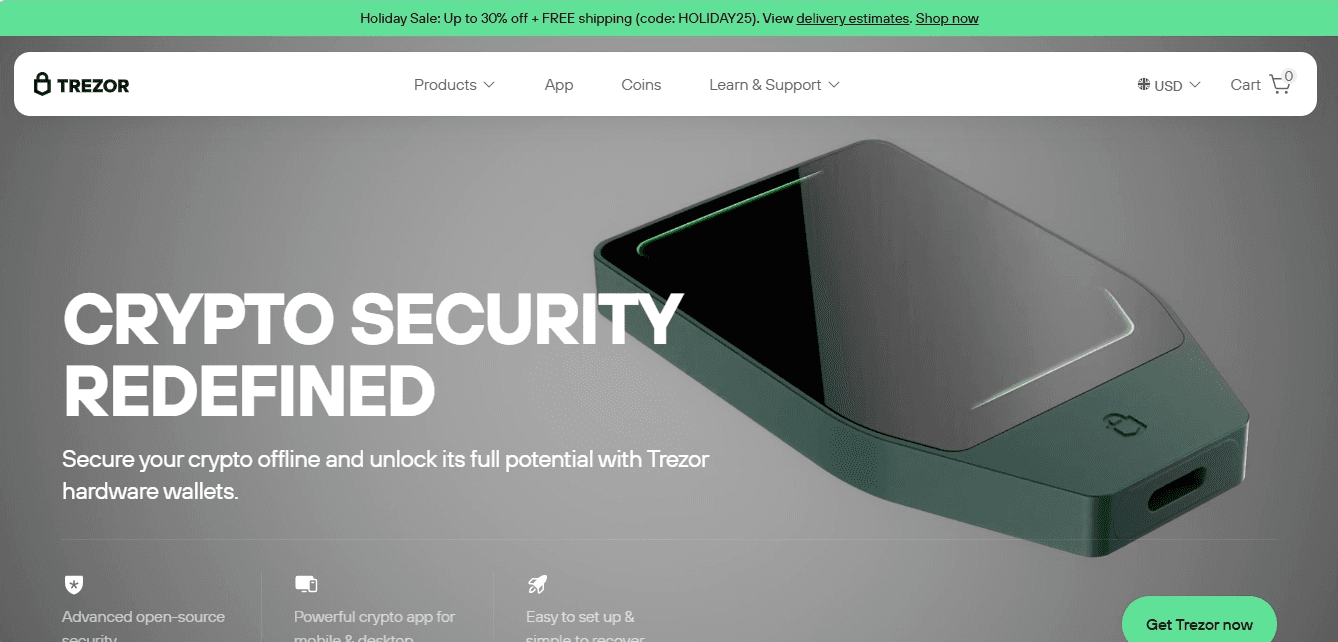
Trezor Login: Securely Access Your Cryptocurrency Wallet
Trezor Login is your gateway to securely managing cryptocurrency and interacting with the world of decentralized finance (DeFi) using Trezor hardware wallets. Trezor is a non-custodial wallet, meaning you fully control your private keys and digital assets. With Trezor Login, you can safely send, receive, and manage cryptocurrencies while exploring Web3 applications without ever exposing your private keys online.
This guide provides a complete walkthrough for accessing your Trezor wallet, using Trezor Suite, managing multiple cryptocurrencies, connecting to DeFi and Web3 applications, and implementing security best practices to keep your digital assets safe.
Why Use Trezor Login?
Trezor Login offers a secure and user-friendly way to access your Trezor hardware wallet. The benefits include:
Non-custodial access: You remain the sole owner of your private keys.
Hardware-level security: Transactions are verified on your Trezor device, keeping private keys offline.
Multi-asset support: Manage Bitcoin, Ethereum, and hundreds of other cryptocurrencies.
Integration with Trezor Suite: Track portfolio balances, send/receive crypto, and access advanced features.
Web3 and DeFi connectivity: Safely interact with decentralized applications and NFT marketplaces.
Using Trezor Login ensures your cryptocurrency remains secure from hacks, phishing, and unauthorized access.
Preparing for Trezor Login
Before logging in to your Trezor wallet, ensure a smooth and secure experience:
Use a trusted device with the latest software updates.
Connect via a secure and private internet connection.
Have your Trezor hardware device and recovery seed ready.
Allocate uninterrupted time to complete the login process.
Important: Your recovery seed is the only way to recover your funds if your Trezor device is lost, stolen, or damaged. Never store it digitally or share it.
Step 1: Connect Your Trezor Device
To access your wallet, start by connecting your Trezor device:
Plug the Trezor hardware wallet into your computer or mobile device using a USB cable.
Unlock the device by entering your PIN directly on the Trezor.
Confirm that your device shows the home screen.
Trezor devices ensure that all login requests and transactions are verified on the hardware itself, keeping private keys offline and secure.
Step 2: Open Trezor Suite
Trezor Suite is the official desktop and web application used to manage Trezor wallets:
Download Trezor Suite from the official Trezor website.
Install the application following the on-screen instructions.
Open Trezor Suite to start the login process.
Always ensure you are using the official Trezor Suite to prevent phishing attacks or unauthorized software.
Step 3: Access Your Wallet
Trezor Login allows you to access your wallet through Trezor Suite:
Click Get Started within Trezor Suite.
Choose to Set Up a New Wallet or Recover an Existing Wallet using your recovery seed.
Follow prompts on both Trezor Suite and your device.
All private keys remain securely on the Trezor hardware device, never exposed online during login or transactions.
Step 4: Set Up a PIN Code
A PIN code is required to unlock your Trezor device:
Enter a 4–9 digit PIN using the device interface.
Confirm the PIN by re-entering it.
This PIN is required for all future logins.
A strong PIN provides an additional security layer to protect your cryptocurrency.
Step 5: Enter Your Recovery Seed (If Needed)
If restoring an existing wallet, Trezor will prompt you to enter your recovery seed:
Enter the 12, 18, or 24-word recovery seed exactly in order.
Confirm that the words are correct to ensure full wallet restoration.
Your recovery seed is the only backup method for recovering access to your funds.
Step 6: Add Cryptocurrency Accounts
Once logged in, you can add accounts for the cryptocurrencies you want to manage:
Navigate to the Accounts section in Trezor Suite.
Click Add Account and select the cryptocurrency.
Accounts are derived securely from your Trezor device’s private keys.
Trezor supports hundreds of cryptocurrencies, including Bitcoin, Ethereum, Litecoin, and ERC-20 tokens.
Step 7: Sending and Receiving Cryptocurrency
Receiving Funds
Select the account to receive funds.
Click Receive to generate your wallet address.
Verify the address on your Trezor device.
Share the verified address with the sender.
Always verify the address on your device to prevent malware from altering it.
Sending Funds
Select the account to send from.
Click Send and enter the recipient’s address and amount.
Review transaction details carefully.
Confirm the transaction on your Trezor device.
All transactions require physical approval on the hardware wallet, keeping private keys offline.
Step 8: Connecting to Web3 and DeFi Applications
Trezor Login allows secure connections to decentralized applications:
Connect your Trezor wallet to NFT marketplaces, DeFi platforms, and other Web3 apps.
Approve transactions directly on the hardware device.
Never enter your recovery seed online; Trezor signs transactions securely offline.
This ensures your crypto remains safe while interacting with decentralized ecosystems.
Security Best Practices
Even with hardware security, user behavior is crucial:
Never share your recovery seed. Trezor support will not ask for it.
Verify all addresses before sending crypto.
Enable PIN protection and optional passphrase.
Keep Trezor Suite and device firmware updated.
Download apps and software only from official sources.
Following these practices minimizes the risk of hacks, phishing, and theft.
Backup and Recovery
Your recovery seed is the ultimate backup for your Trezor wallet:
Store it securely offline in a safe location.
Use multiple secure copies if possible.
Restore your wallet on a new Trezor device if the original is lost or damaged.
Without the recovery seed, your funds cannot be recovered.
Properly managing backups ensures continuous access to your cryptocurrency.
Managing Multiple Accounts and Assets
Trezor Suite and Trezor Login enable users to manage multiple accounts:
Add accounts for various cryptocurrencies.
Track balances, transaction history, and portfolio performance.
Use separate accounts for personal, business, or investment purposes.
This flexibility is ideal for users with diverse crypto holdings.
Firmware Updates
Trezor regularly releases firmware updates for improved security and functionality:
Firmware updates are recommended for optimal security.
Back up your recovery seed before updating.
Trezor Suite guides you through the secure update process.
Updating firmware ensures your wallet is protected against emerging threats.
Mobile and Cross-Device Use
Trezor Suite is available on desktop, web, and mobile:
Manage accounts and send/receive crypto on the go.
All transactions must be approved on the hardware device.
Keep apps and device firmware updated to maintain security.
Cross-device access allows flexibility without compromising safety.
Advanced Features
Trezor Login provides advanced tools for experienced users:
Passphrase protection: Add an extra layer of security.
Custom tokens and networks: Manage unsupported cryptocurrencies.
Staking: Stake supported cryptocurrencies to earn rewards securely.
Third-party wallet integration: Connect to compatible wallets or DeFi platforms.
These features give advanced users more control while maintaining security.
Troubleshooting Trezor Login
Common login issues can be resolved as follows:
Device not recognized: Check USB connections and update firmware.
Incorrect PIN: Enter carefully; multiple wrong attempts may reset the device.
Transaction failures: Verify network and account settings.
Trezor Suite errors: Reinstall the application from the official website and reconnect the device.
Trezor provides comprehensive support resources to safely resolve issues.
Avoiding Scams and Phishing
Trezor users may encounter scams. Protect yourself by:
Downloading Trezor Suite only from the official website.
Never sharing your recovery seed online.
Verifying URLs before using Trezor services.
Ignoring unsolicited emails or messages claiming urgent action.
Staying vigilant ensures your funds remain safe from phishing and fraud.
Conclusion
Trezor Login provides a secure, user-friendly interface for managing cryptocurrency while keeping private keys offline. By following this guide, you can:
Safely log in to your Trezor wallet via Trezor Suite.
Add and manage multiple cryptocurrency accounts.
Send, receive, and stake crypto securely.
Connect safely to Web3 applications and DeFi platforms.
Implement best practices for long-term wallet security.
Trezor empowers users to manage their digital assets safely, maintain full control over private keys, and navigate the decentralized finance and Web3 ecosystem with confidence.